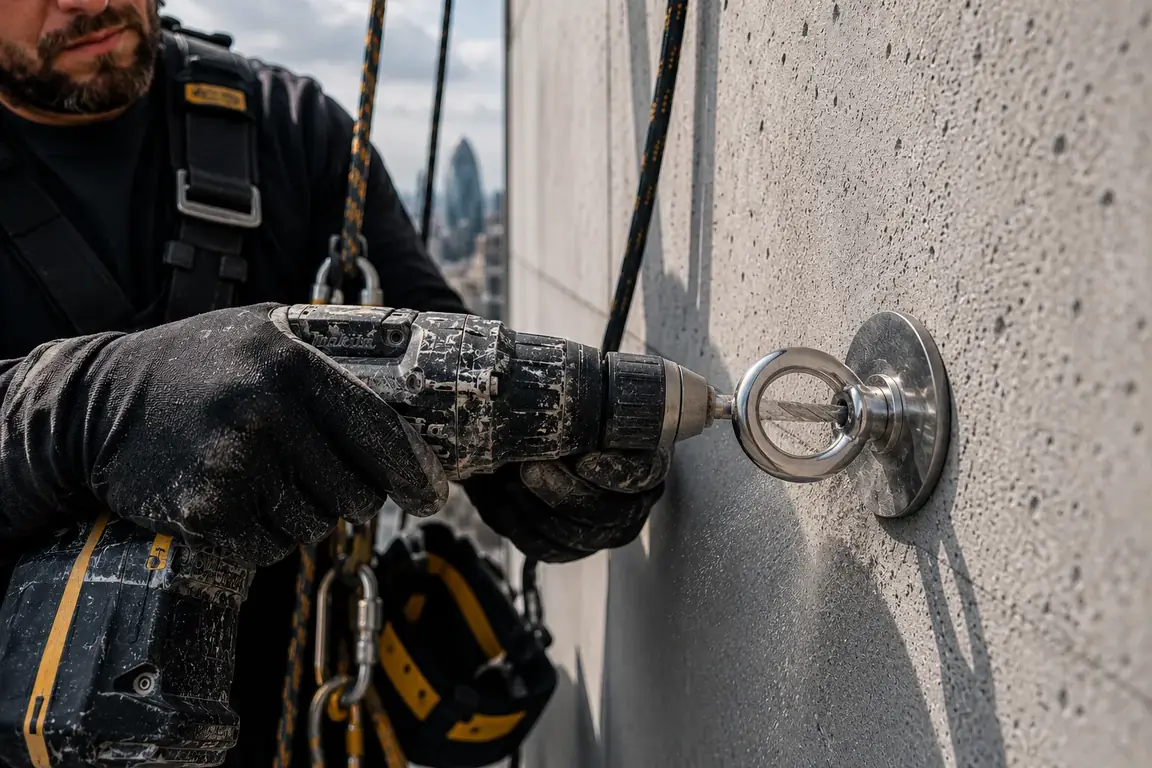
Quick answer: A permit to work (PTW) is a formal, written authorisation that lets a specific person or team do a specific job, in a specific place, for a limited time, under stated precautions. Many commercial buildings use one to control roof access, work at height and other higher-risk tasks, so that nobody goes onto a roof or façade without the building's knowledge and a plan. A permit is not the same as a RAMS: the RAMS is the contractor's plan for how to do the work safely, while the permit is the building's authorisation and control that the work can go ahead now. If your building has a permit system, tell contractors at the start, because it affects timing and paperwork.
Why buildings use permits
Contractors on a roof or façade can put themselves, other contractors and the public at risk. The building owner or manager needs to know who is on the roof, what they are doing and when, and to make sure that work does not clash with others, such as plant maintenance or other trades. A permit system gives that control and a record.
How a permit differs from RAMS
| RAMS | Permit to work | |
|---|---|---|
| Written by | The contractor | Issued by the building, or the person in control of the area |
| Purpose | Describes how the work will be done safely | Authorises the work to start, in that place, for that period |
| Scope | The whole job | A specific task or day, with conditions |
| Checked | By the building before work | By the person issuing the permit, on the day |
| Ends | When the job is done | When the permit expires or the work is handed back |
They work together. See RAMS explained.
What a permit typically contains
- A description of the work and its location, such as which roof and which elevation
- Who is doing it: the company, the supervisor and the team
- The hazards, such as roof edges, fragile areas, plant and the public below
- The precautions required, including access arrangements, edge protection, anchors, exclusion zones and rescue arrangements
- The start and end time, and the period the permit is valid
- Isolations or shutdowns needed, such as turning off plant or alarms
- Authorisation: the signature of the person issuing it, and acceptance by the person receiving it
- Handback: confirmation that the work is complete, the area is safe and normal operations can resume
A typical process
- Request. The contractor asks for a permit, with the RAMS and details of the team.
- Check. The building checks the information, the contractor's competence and any conflicts with other work.
- Site check. The issuer and the supervisor look at the work area together, where practical, to confirm that precautions are in place.
- Issue. The permit is signed, and the work can begin. The supervisor keeps a copy on site.
- Work. The team works to the permit and RAMS. If conditions change, work stops and the permit is reviewed.
- Handback. The supervisor confirms completion and that the area is safe, and the permit is closed.
What a permit does not do
A permit does not replace the contractor's duty to plan, supervise and carry out work safely. It also does not transfer legal responsibility. Both the building and the contractor keep their duties under health and safety law. A permit can also become a paperwork exercise if nobody checks the site. Make the site check real.
Roof access permits
Many buildings use a specific roof access permit to control entry. Typical elements include:
- Keys, codes or access control, with a record of who has them
- A briefing about hazards, such as fragile areas, rooflights and plant
- A requirement to sign in and out, so the building knows who is on the roof
- Rules on edge protection and anchors
- Out-of-hours arrangements
See roof inspections: safe access and fragile roofs for what to settle before anyone goes up.
Hot works and other permits
Other kinds of work, such as hot works, confined spaces or electrical isolation, usually have their own permits with additional controls. Rope access work that involves these, such as signage with electrical connection, may need more than one. See high-level signage installation.
How to run a permit system well
| Practice | Why it matters |
|---|---|
| Keep it simple and proportionate | Overly complex permits get ignored |
| Make the site check genuine | The point is to verify precautions, not just sign paper |
| Train the people who issue permits | They need to know what they are authorising |
| Make the rules clear to contractors early | Avoids delays on the day |
| Keep records | Useful for audits, incidents and future planning |
| Review the system regularly | Learn from near misses and changes |
HSE publishes guidance on permit-to-work systems, which is worth reading if you are setting one up.
What contractors should expect
- To be told about the permit system before the quote, so they can allow time
- To provide RAMS and team details in advance
- To attend a briefing or site check before work begins
- To stop work if conditions change, and to get the permit reviewed
- To hand the area back properly
Our site survey checklist lists the access and permit information to have ready.
FAQ
Is a permit to work a legal requirement?
Not as such for every job, but it is a recognised way of controlling higher-risk work, and many buildings and clients require it by policy. The underlying duties are legal.
Who issues the permit?
Someone with authority over the area, such as the building manager or a delegated competent person, trained in the system.
Does a permit mean the work is safe?
No. It means the work has been planned, checked and authorised. Safety depends on the controls being in place and followed.
What if the weather changes on the day?
The permit and RAMS should say what happens. Work stops, the area is made safe, and the permit is reviewed or closed.
Talk to us
If your building uses a permit system, tell us when you request a quote, and we will plan around it. Read about rope access in London, or request a site survey.
Sources
- HSE, Guidance on permit-to-work systems (HSG250).
- The Work at Height Regulations 2005 (legislation.gov.uk).
- The Management of Health and Safety at Work Regulations 1999 (legislation.gov.uk).


